A Spark of Celebration, A Moment of Prevention
Published on June 30, 2026
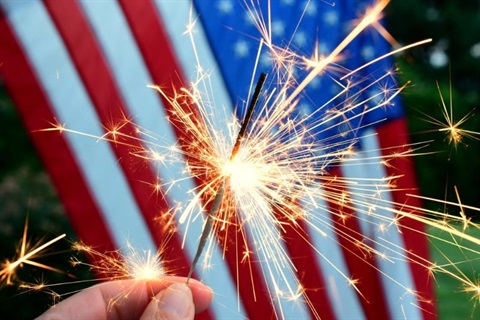
The smell of grilled burgers drifts through the neighborhood. Lawn chairs line driveways. Children chase fireflies as the sun begins to set. Across the community, families gather under red, white, and blue decorations, waiting for the first burst of color to light up the night sky.
The Fourth of July is one of America's favorite traditions. It is a time to celebrate freedom, community, and summer. But while the evening may only last a few hours, the choices we make can have an impact long after the last firework fades.
At the local emergency department, the holiday tells a different story.
Doctors, nurses, and first responders know that the days around the Fourth of July are among the busiest of the year for preventable injuries. A moment of distraction. A firework that doesn't behave as expected. A sparkler placed in small hands. In an instant, a celebration can turn into an emergency.
From a public health perspective, these injuries can be prevented.
Every Firework Has a Story
The sun is starting to set; a family is gathered in their backyard. The children are excited. The adults are laughing. A fountain firework sprays brilliant silver sparks into the air, drawing cheers from everyone watching.
The evening feels magical.
Then a firework tips over unexpectedly.
What began as entertainment suddenly becomes a hazard. A quick reaction, a safe distance, and a nearby bucket of water may be all that stand between a close call and a serious injury.
Public health professionals often talk about injury prevention, but at its heart, prevention is really about protecting moments like these: the backyard gatherings, family traditions, and memories we want to keep.
The Smallest Spark Can Have the Biggest Impact
Even a small firework, like a sparkler, can lead to serious injury.
Children love them. Parents often view them as the "safe" option. Yet sparklers can burn at temperatures approaching 2,000 degrees Fahrenheit, which is hot enough to melt some metals.
Consider this: you are handing a child an object hotter than a kitchen oven, a campfire, or a barbecue grill.
For young children, try giving them glow sticks, LED wands, and other light-up toys instead. These items can create the same sense of wonder without the burn risk.
Creating a Safe Ending
As darkness settles over the community, fireworks begin bursting overhead. Bright reds bloom into gold. Blue stars scatter across the sky. Neighbors point upward as children watch with wide eyes.
The safest celebrations are often the ones where safety planning happened long before the first firework was lit.
That means:
- Keeping children and pets a safe distance away.
-
- Consider using protective gear for both children and pets ears
- Lighting one firework at a time.
- Never attempting to relight a malfunctioning firework.
- Having water nearby.
- Staying sober when handling fireworks.
- Following all local laws and manufacturer instructions.
And for many families, it means choosing to attend a public fireworks display, where trained professionals create the spectacle while reducing the risks.
The Best Fourth of July Story
The best Fourth of July story is not the loudest firework or the biggest display.
It's the story of a family that returns home safely.
It's children falling asleep after a fun day with no burns, no injuries, and no emergency room visits.
It's neighbors gathering again next year to make new memories.
At Outagamie County Public Health, we believe every injury prevented is a story that never has to be told. This Independence Day, let's celebrate responsibly, look out for one another, and make sure the only sparks we remember are the ones lighting up the night sky.
Before You Light the Fuse, Remember: Celebrate the holiday. Protect your loved ones. Prevent injuries.
Because the brightest Fourth of July is one that ends safely for everyone.