What's Hiding in Your Medicine Cabinet?
Published on October 27, 2026
A Small Cleanup That Could Make a Big Difference
That prescription from three years ago. The pain medication you never finished. The bottle you forgot was even there. What's sitting in your medicine cabinet could pose more risks than you realize.
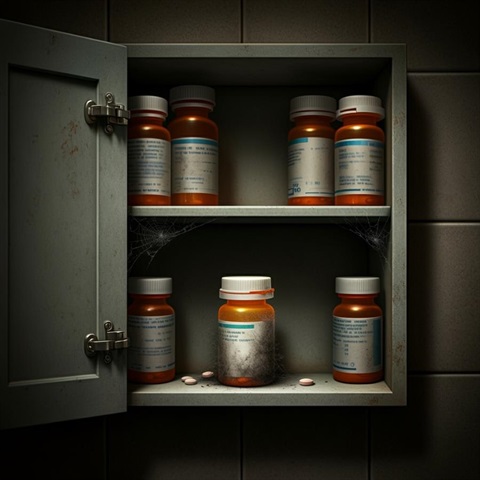
Picture this: It's Saturday morning, and you're searching through your medicine cabinet for a bottle of allergy medication. You move aside a half-empty bottle of prescription pain medication from a surgery two years ago. Behind it, there's an expired antibiotic, a prescription that was changed months ago, and a bottle with a label so faded you can barely read it. You think to yourself, "I should probably get rid of those someday." You close the cabinet and go about your day.
Sound familiar?
It's easy to forget about medications we no longer need. After all, they're just sitting in a cabinet, right? But those forgotten bottles can create risks for our families, our neighbors, and even our environment.
At Outagamie County Public Health, we want residents to know that safely disposing of unused medications is about more than cleaning out a cabinet. It's a simple way to help prevent injuries, reduce substance misuse, and protect our community.
The Curious Little Hands
Now, imagine a young child visiting your home. While the adults are busy talking, the child wanders into the bathroom and opens a cabinet. Inside is a bottle of colorful pills. To a curious child, those pills might look like candy.
Medications that aren't securely stored can lead to accidental poisonings, particularly among young children. Even medications that are safe when taken as prescribed can be dangerous when taken by the wrong person or in the wrong amount. And children aren't the only ones at risk. For older adults or anyone managing multiple prescriptions, keeping outdated or discontinued medications around can increase the chance of accidentally taking the wrong medication.
The takeaway? Keep medications securely stored while you're using them, and safely dispose of them when they're no longer needed.
The Prescription That Finds Its Way Into the Wrong Hands
Let's go back to that half-empty bottle of pain medication from your surgery. You haven't needed it in years, but you kept it just in case. What you may not realize is that unused prescription medications can sometimes end up in the hands of someone they weren't prescribed for.
Certain medications, including opioids, sedatives, and stimulants, have the potential for misuse. Keeping them around when they're no longer needed creates an opportunity for someone else to access them, whether intentionally or accidentally. Removing unused medications from our homes is one way we can reduce opportunities for medication misuse and help prevent harm. Of course, safe disposal is just one piece of substance use prevention. Education, access to treatment, harm reduction, and reducing stigma all play important roles in building a healthier community.
A Journey You Didn't Expect
Now imagine you've decided to clean out that medicine cabinet. You find a few expired medications and think, "I'll just flush them down the toilet. That should take care of it." But what happens after you flush? Medications don't necessarily disappear once they go down the drain. Wastewater treatment systems aren't designed to remove every pharmaceutical compound. Some medication ingredients can make their way into rivers, lakes, and other waterways, where they may affect fish and other aquatic life. Throwing loose medications into the household trash isn't always a safe solution either. They could be found by children, pets, or someone looking for medications to misuse. That's why using an authorized medication collection site is the preferred way to dispose of most unused medications. These sites help ensure medications are handled and disposed of appropriately.
Protecting our water and environment can start with something as simple as cleaning out a cabinet.
Let's Rewrite the Ending of This Story
Remember that medicine cabinet from the beginning of our story? Let's imagine a different ending. Instead of putting those old prescriptions back on the shelf, you take a few minutes to sort through them. You gather medications you no longer need, set them aside somewhere secure, and make a plan to drop them off at an authorized medication collection site. The whole process is simple, but the impact goes well beyond a cleaner cabinet. You've reduced the risk of accidental poisoning in your home. You've removed medications that could potentially be misused. And you've helped keep pharmaceutical ingredients out of our waterways.
One small action. Several ways to protect the health of our community.
Your Medicine Cabinet Is Calling
Saturday, October 24, 2026, was National Prescription Drug Take Back Day. And if you missed it - that's OK! Many communities have permanent medication drop boxes available throughout the year. So, the next time you open your medicine cabinet, take a second look.
That bottle you've been meaning to get rid of? Today is a good day to do something about it.
Find a participating Take Back Day collection location at DEA Take Back Day.
For information about permanent medication drop boxes in Outagamie County, visit our Medication Disposal webpage.
Together, we can prevent injuries, reduce substance misuse, protect our environment, and make Outagamie County a safer place for everyone.